
Skin pigmentation is a common concern that affects people of all age groups. It often appears as dark patches, uneven skin tone, or discoloration on different areas of the face and body. While pigmentation is usually harmless, it can impact a person’s confidence and overall appearance.
Many individuals looking for pigmentation treatment in Ahmedabad want safe and effective solutions to restore an even skin tone. Modern dermatology offers several advanced treatments that help reduce pigmentation and improve skin clarity.
Professional dermatology clinics such as Dermet Clinics provide specialized treatments that target the root cause of pigmentation while improving the overall health of the skin.
What is Skin Pigmentation?
Skin pigmentation refers to changes in skin color caused by an increase in melanin production. Melanin is the natural pigment responsible for the color of our skin, hair, and eyes.
When melanin production becomes uneven or excessive in certain areas, it can lead to visible dark spots or patches on the skin.
Pigmentation can appear on areas such as:
Face
Neck
Hands
Arms
Shoulders
Consulting a professional skin clinic in Ahmedabad can help determine the exact cause of pigmentation and the most suitable treatment options.
Common Causes of Pigmentation
Several factors can trigger pigmentation issues. Understanding these causes helps dermatologists choose the most effective treatment approach.
Sun Exposure
Excessive exposure to ultraviolet (UV) rays is one of the leading causes of pigmentation. Sunlight stimulates melanin production, which can lead to dark spots and uneven skin tone.
Hormonal Changes
Hormonal fluctuations during pregnancy or due to certain medications may lead to conditions such as melasma.
Acne or Skin Inflammation
Pigmentation can also occur after acne breakouts or skin injuries. This condition is known as post-inflammatory hyperpigmentation.
Aging
As skin ages, it may develop dark spots or age spots due to prolonged sun exposure and changes in skin cells.
Dermatologists at Dermet Clinics evaluate these factors before recommending personalized pigmentation treatments.
Types of Skin Pigmentation
Different types of pigmentation require different dermatological approaches. Some of the most common types include:
Melasma
Melasma appears as brown or gray patches, commonly on the cheeks, forehead, nose, and upper lip. It is often associated with hormonal changes.
Sunspots
Also known as age spots, these appear due to prolonged sun exposure over time.
Post-Inflammatory Hyperpigmentation
This type of pigmentation occurs after skin inflammation caused by acne, injuries, or certain skin treatments.
Freckles
Freckles are small brown spots that appear due to genetic factors and sun exposure.
A dermatologist at a trusted skin clinic in Ahmedabad can diagnose the type of pigmentation and suggest appropriate treatment.
Why Professional Pigmentation Treatment is Important
Many people try home remedies or cosmetic products to treat pigmentation. However, these methods often provide limited results and may take a long time to show improvement.
Professional pigmentation treatment in Ahmedabad offers several advantages:
Accurate diagnosis of pigmentation type
Customized dermatology treatments
Advanced skin technologies
Long-term skin improvement
Reduced risk of worsening pigmentation
Clinics like Dermet Clinics focus on safe and medically approved treatment approaches to help patients achieve clearer skin.
Modern Treatments for Pigmentation
Dermatology clinics today provide multiple treatment options to reduce pigmentation and improve skin tone.
Chemical Peels
Chemical peels help exfoliate the upper layer of skin and promote the growth of new skin cells. This treatment can help reduce dark spots and uneven skin tone.
Laser Treatments
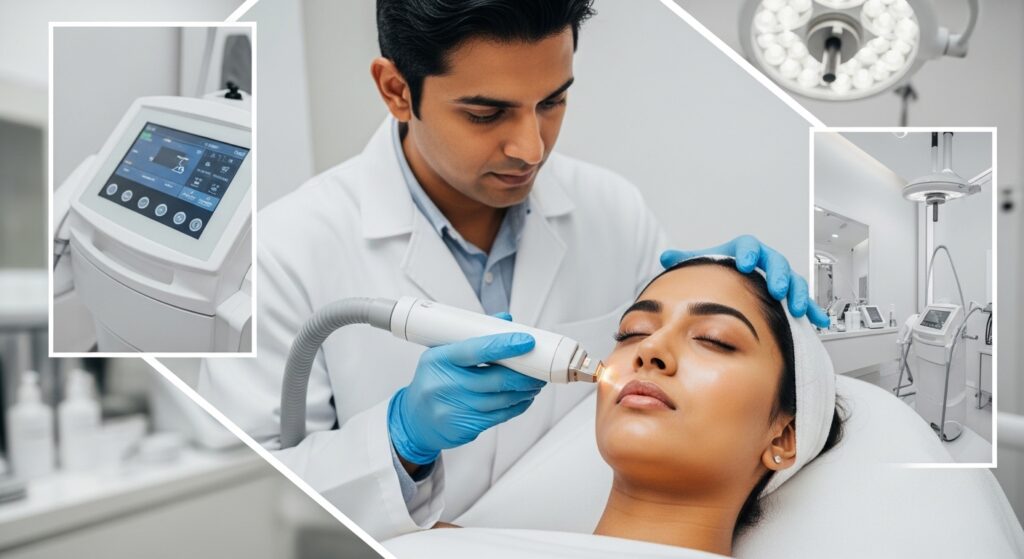
Laser technology targets excess melanin in the skin and breaks it down, helping reduce pigmentation over time.
Skin Brightening Treatments
Dermatologists may recommend specialized skin rejuvenation treatments designed to improve overall skin tone and texture.
Medical Skincare Treatments
Prescription creams and dermatology-based skincare products may also be used to control pigmentation and prevent further darkening of the skin.
At Dermet Clinics, dermatologists combine different treatment methods to achieve effective and long-lasting pigmentation reduction.
Importance of Personalized Treatment Plans
Every individual’s skin is unique, which means pigmentation treatments must be customized according to the patient’s skin type and condition.
During the consultation process, dermatologists evaluate:
Skin sensitivity
Depth of pigmentation
Lifestyle factors
Medical history
Previous skin treatments
Patients visiting a reputable skin clinic in Ahmedabad often receive a detailed skin analysis before starting pigmentation treatment.
This personalized approach ensures that treatments are both safe and effective.
Preventing Pigmentation
While dermatology treatments can significantly reduce pigmentation, proper skincare habits play an important role in preventing it from returning.
Use Sunscreen Daily
Sunscreen protects the skin from harmful UV rays and helps prevent further pigmentation.
Maintain a Healthy Skincare Routine
Using dermatologist-recommended skincare products can help maintain an even skin tone.
Avoid Excessive Sun Exposure
Limiting sun exposure during peak hours can reduce the risk of developing dark spots.
Treat Skin Conditions Early
Early treatment of acne or skin inflammation can help prevent post-inflammatory pigmentation.
Dermatologists at Dermet Clinics often guide patients on maintaining healthy skin habits to support long-term treatment results.
When Should You See a Dermatologist?
If pigmentation becomes persistent or begins to spread, it is advisable to consult a dermatologist.
You should seek professional help if:
Dark spots do not fade over time
Pigmentation worsens despite skincare products
Skin tone becomes uneven
Pigmentation appears suddenly
Consulting an experienced dermatologist at a reliable skin clinic in Ahmedabad can help diagnose the issue and provide effective treatment.
The Role of Expert Dermatology Care
Dermatologists specialize in diagnosing and treating various skin conditions, including pigmentation disorders. Professional dermatology care focuses on improving skin health while addressing cosmetic concerns.
Clinics like Dermet Clinics use advanced dermatology technologies and evidence-based treatment methods to help patients achieve healthier and clearer skin.
People seeking pigmentation treatment in Ahmedabad often benefit from consulting experienced dermatologists who understand the complexities of pigmentation and provide targeted treatment solutions.
Conclusion
Skin pigmentation is a common concern, but with proper dermatological care, it can be effectively managed. Understanding the causes and types of pigmentation helps individuals choose the right treatment approach.
Modern dermatology treatments provide safe and effective solutions for reducing pigmentation and improving skin tone. Clinics such as Dermet Clinics offer advanced treatments designed to address pigmentation while promoting overall skin health.
If pigmentation is affecting your skin appearance, consulting a dermatologist is the first step toward achieving clearer and more even-toned skin.